7 Mistakes to Avoid When Buying a Shipping Container
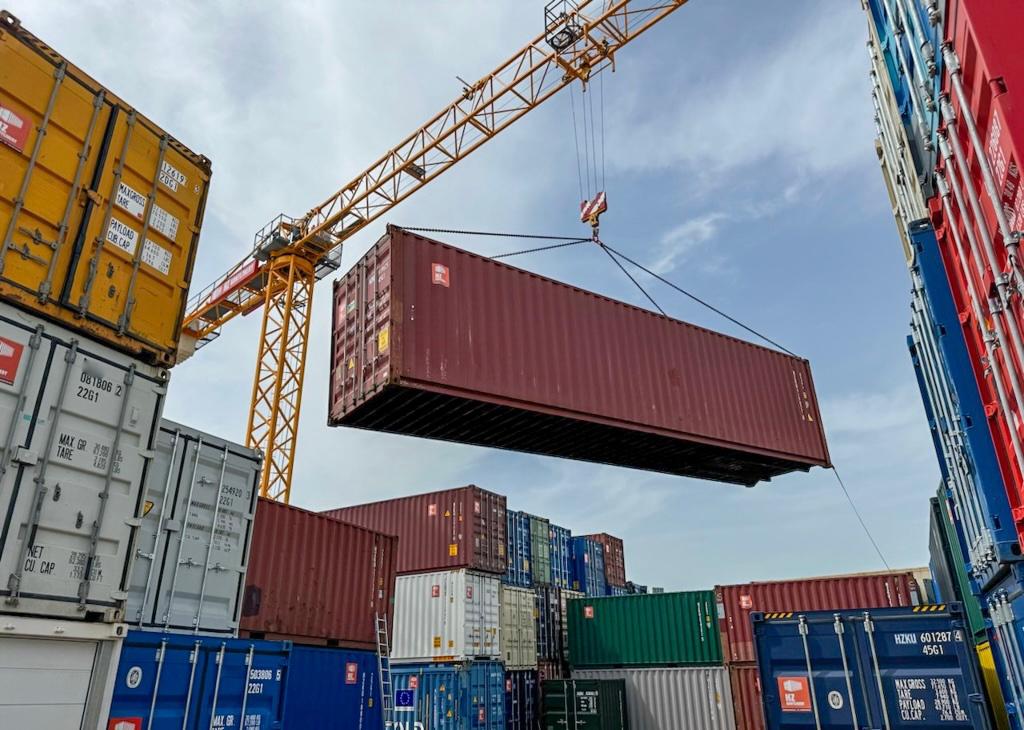
Buying a shipping container can be a great investment for storage, business use, or construction projects. However, many first-time buyers make costly mistakes that can lead to unexpected expenses, delivery problems, and frustration.
Before purchasing your container, make sure you avoid these common mistakes.
Shop Now
Mistake #1: Buying the Wrong Size
Many buyers focus only on price and forget to consider how much space they actually need.
A container that is too small may quickly become overcrowded, while an oversized container can cost more than necessary.
Before purchasing, consider:
- What will be stored?
- How often will you access the contents?
- Will your storage needs grow in the future?
Choosing the right size from the beginning can save money and prevent future headaches.
Mistake #2: Ignoring Delivery Requirements
A shipping container may fit your property, but can the delivery truck reach the location?
Many deliveries are delayed because buyers fail to check:
- Driveway width
- Turning space
- Overhead power lines
- Trees and branches
- Ground conditions
Always confirm site access before placing an order.
Mistake #3: Focusing Only on Price
The cheapest container is not always the best value.
Low-priced containers may have:
- Excessive rust
- Damaged doors
- Structural problems
- Shorter remaining lifespan
Instead of choosing the cheapest option, focus on condition and long-term value.
Mistake #4: Not Understanding Container Grades
Not all containers are the same.
Common container conditions include:
One-Trip Containers
- Near-new condition
- Minimal wear
- Long lifespan
Wind and Water Tight Containers
- Suitable for storage
- Weather-resistant
- Budget-friendly
Used Containers
- More affordable
- Cosmetic wear
- Reliable storage performance
Understanding these categories helps you make a smarter purchase.
Mistake #5: Forgetting About Future Needs
Many buyers purchase a container based only on current requirements.
Ask yourself:
- Will my business expand?
- Will I need additional storage later?
- Could a larger container save money in the long run?
Planning ahead often leads to better purchasing decisions.
Mistake #6: Neglecting Foundation Preparation
A shipping container should always be placed on a stable surface.
Common foundation options include:
- Gravel
- Concrete pads
- Concrete blocks
- Railroad ties
Proper support helps extend the lifespan of your container and improves door operation.
Mistake #7: Buying From an Unreliable Seller
Unfortunately, not every container seller operates with the same level of professionalism.
Before purchasing, look for:
- Clear pricing
- Delivery information
- Customer reviews
- Responsive support
- Product photos
Working with a trusted supplier reduces risk and improves your overall buying experience.
How to Buy the Right Shipping Container
A successful purchase starts with:
- Choosing the right size
- Understanding container condition
- Preparing your site
- Planning for delivery
- Working with a reputable supplier
Following these steps can help ensure you get the best value for your investment.
Final Thoughts
Buying a shipping container is a significant decision, and avoiding common mistakes can save both time and money. By understanding your needs, preparing your property, and choosing a quality container, you can enjoy years of reliable service.
At TrustBoxCo, we help customers choose the right container for their specific needs. Whether you’re looking for a new one-trip container or a budget-friendly used unit, our team is here to guide you every step of the way.
Contact us today to learn more about our available inventory and delivery options.

Leave a Reply