20ft vs 40ft Shipping Containers: Which Is Better?
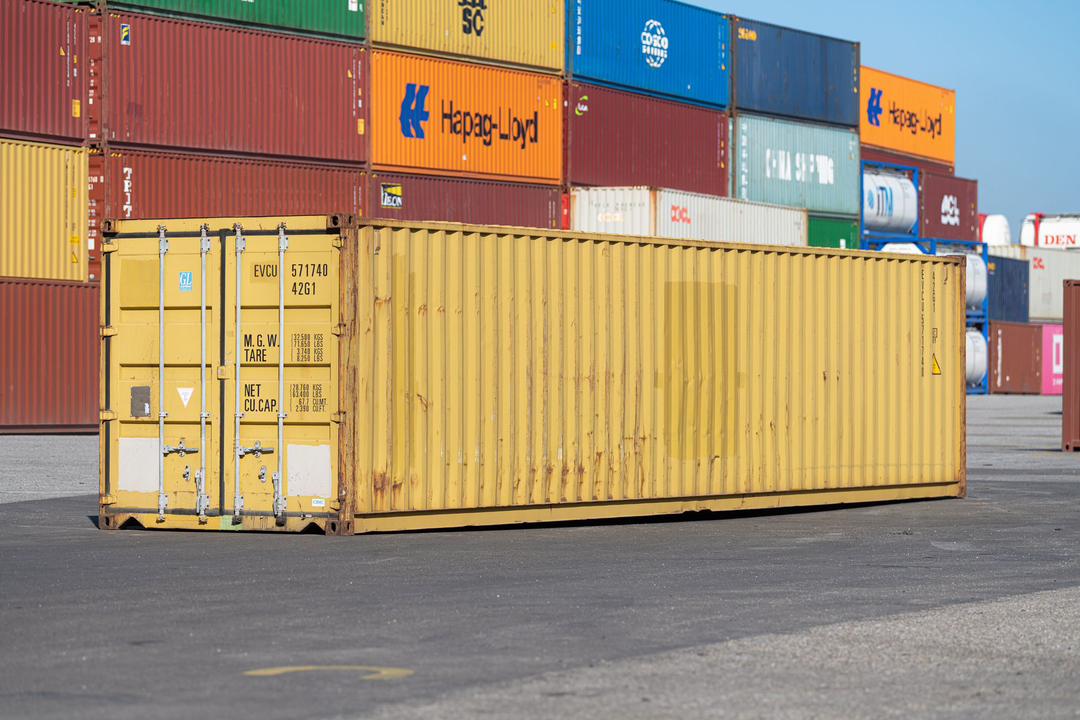
When shopping for a shipping container, one of the most common questions is whether a 20ft or 40ft container is the better choice. Both options offer excellent durability, security, and storage capacity, but the right choice depends on your specific needs, budget, and available space.
In this guide, we’ll compare 20ft and 40ft shipping containers to help you determine which size is best for your project.
Understanding Container Sizes
20ft Shipping Container
A standard 20ft shipping container typically provides:
- Length: 20 feet
- Width: 8 feet
- Height: 8 feet 6 inches
- Storage Capacity: Approximately 1,170 cubic feet
The 20ft container is one of the most popular sizes because it offers a balance of storage space and affordability.
40ft Shipping Container
A standard 40ft shipping container typically provides:
- Length: 40 feet
- Width: 8 feet
- Height: 8 feet 6 inches
- Storage Capacity: Approximately 2,390 cubic feet
A 40ft container offers nearly double the storage capacity of a 20ft container.
Shop NOW
Price Comparison
One of the biggest factors buyers consider is cost.
20ft Container
- Used: $2,500 – $5,000
- New (One-Trip): $4,000 – $7,000
40ft Container
Typical Price Range:
- Used: $3,500 – $7,000
- New (One-Trip): $5,500 – $10,000
While 40ft containers cost more upfront, they often provide better value per square foot of storage space.
Storage Capacity Comparison
Choose a 20ft Container If You Need:
- Household storage
- Small business inventory storage
- Farm equipment storage
- Construction site tools and materials
- Limited installation space
Choose a 40ft Container If You Need:
- Large equipment storage
- Commercial inventory storage
- Shipping container home projects
- Workshop or office conversions
- Long-term storage of bulky items
Space Requirements
Before purchasing a container, ensure your property has enough room for delivery and placement.
20ft Container
Advantages:
- Easier to place on smaller properties
- Lower delivery costs in some locations
- Better for residential use
40ft Container
Advantages:
- More storage space
- Better value per square foot
- Ideal for commercial applications
Keep in mind that a 40ft container requires significantly more installation space and maneuvering room during delivery.
Popular Uses for 20ft Containers
Many customers choose a 20ft container for:
- Residential storage
- Seasonal equipment storage
- Garden and landscaping equipment
- Small workshops
- Temporary job-site storage
The 20ft size is versatile and fits comfortably on most properties.
Popular Uses for 40ft Containers
A 40ft container is commonly used for:
- Warehousing inventory
- Vehicle storage
- Shipping container homes
- Mobile offices
- Large-scale construction projects
- Agricultural storage
Its larger footprint makes it a preferred choice for businesses and commercial users.
New vs Used Containers
Both 20ft and 40ft containers are available in:
New (One-Trip) Condition
Benefits:
- Minimal wear and tear
- Longer service life
- Cleaner appearance
- Ideal for modifications and conversions
Used Condition
Benefits:
- Lower purchase price
- Reliable storage performance
- Cost-effective solution for most applications
Which Shipping Container Is Better?
The answer depends on your needs.
Choose a 20ft container if:
- You have limited space.
- You need affordable storage.
- You are storing smaller quantities of equipment or inventory.
Choose a 40ft container if:
- You need maximum storage capacity.
- You plan to convert the container into a home, office, or workshop.
- You want the most storage space for your investment.
Final Thoughts
Both 20ft and 40ft shipping containers provide secure, durable, and weather-resistant storage solutions. The best choice depends on your available space, budget, and intended use.
At TrustBoxCo, we offer a wide range of new and used 20ft and 40ft shipping containers with delivery available across the United States. Our team can help you choose the perfect container for your storage or business needs.
Contact us today to request a free quote and find the right container for your project.

Leave a Reply